
Regular movement is a natural way to keep your blood sugar stable. Small steps throughout the day can make a big difference in how you feel and manage diabetes.
Get More Information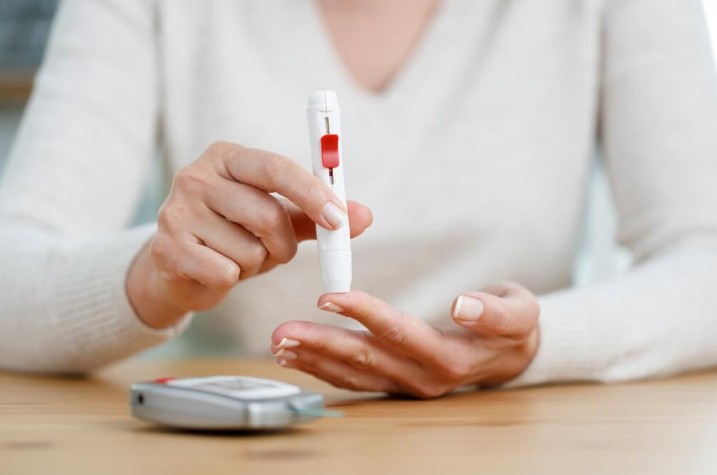
When you move your body, your muscles work like sponges that soak up sugar from your bloodstream. This happens without needing extra insulin, making physical activity one of the safest ways to lower blood sugar naturally.
The beauty of walking is its simplicity. You don't need special training or equipment. A comfortable pair of shoes and a few minutes of your time are all it takes to start seeing benefits.
Research shows that timing matters too. Moving shortly after you eat helps prevent blood sugar from rising too high, which protects your body from damage over time.
Start your day with a 10-15 minute walk after breakfast. This sets a positive tone and helps process your morning meal effectively.
Take a walk after lunch to prevent the afternoon energy slump and keep your blood sugar from spiking.
End your day with a gentle walk after dinner. This aids digestion and helps you sleep better at night.
Simple movement brings powerful changes to your body and health.
Your muscles use sugar for fuel when you walk, naturally bringing down blood glucose without medications.
Regular walking makes your cells more receptive to insulin signals, improving diabetes control long-term.
Walking strengthens your heart and blood vessels, reducing the risk of complications common in diabetes.
Consistent walking helps maintain a healthy weight, which directly impacts blood sugar stability.
Physical activity releases feel-good chemicals that reduce stress and improve overall mood.
Regular daytime activity helps you fall asleep faster and enjoy deeper, more restful sleep at night.
Safety comes first when starting any activity program. Begin slowly and listen to your body. If you feel dizzy or weak, stop and check your blood sugar. Always carry a quick source of glucose with you in case levels drop too low.
Your feet need special attention when you have diabetes. Inspect them daily for any cuts, blisters, or redness. Choose shoes with proper support and avoid walking barefoot, even indoors.
Stay hydrated during your walks, especially in warm weather. Bring water with you and drink regularly. If you take diabetes medications, talk to your doctor about the best times to exercise.
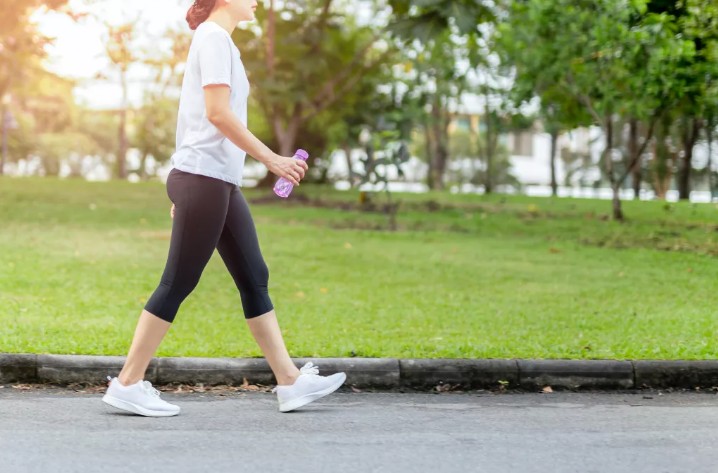
The hardest part is often just getting started. Once walking becomes part of your routine, it feels natural and even enjoyable. Set realistic goals and celebrate small victories along the way.
Find ways to make walking pleasant. Listen to music or podcasts, explore new neighborhoods, or invite friends to join you. When exercise feels like recreation rather than work, you're more likely to stick with it for life.
"Walking after dinner became a family tradition. My sugar levels improved and we spend quality time together every evening."
— Suresh Nair, Kerala
"I was skeptical that something so simple could work. Three months of daily walks later, my doctor reduced my medication dosage."
— Lakshmi Iyer, Chennai
"Starting with just 5 minutes felt manageable. Now I walk 30 minutes daily and feel stronger than I have in years."
— Vikram Singh, Jaipur
Want to learn more about incorporating movement into your diabetes management? Reach out to us.
hello (at) ritirid.shop
+91 20 6738 4925
15, MG Road, Pune 411001, Maharashtra, India
The best time is 15-30 minutes after eating a meal. This timing helps your body use the glucose from food more efficiently and prevents blood sugar spikes.
Many people notice lower blood sugar readings within days of starting regular walks. Long-term benefits like improved insulin sensitivity develop over weeks to months of consistent activity.
Generally yes, walking can help bring down high blood sugar. However, if your glucose is extremely high (over 250 mg/dL) or you feel unwell, check with your doctor first. Stay well hydrated.
Absolutely. Walking inside your home, at a shopping mall, or on a treadmill provides the same benefits. The important thing is movement, not location.